Overview
Industrial dust collectors are crucial for supporting the safe and efficient operation of numerous industries, including manufacturing, mining, food processing, and metalworking. However, troubleshooting dust collectors often presents significant challenges because most engineering, operations, and maintenance staff do not manage them daily.
Finding the root cause of performance problems can be both time-consuming and disruptive. Implementing a systematic troubleshooting approach is essential for effectively diagnosing problems, minimizing downtime, and ensuring excellent dust collector performance. By following a structured approach, companies can improve overall productivity and output while protecting employee health and safety. Below is an advanced approach to troubleshooting dust collector problems.
Preparation
Gathering comprehensive system information is often crucial before visiting the site or the dust collector in the field. This includes obtaining detailed drawings, specifications, and operational history. This groundwork lays a solid foundation for the troubleshooting process.
Initial Steps
The next critical step is to conduct a thorough site inspection. This includes a visual inspection of the entire system, including the dust collector, piping system, and fans. Gathering system history, such as maintenance records and previous issues, can provide valuable insights. Collecting dust samples helps determine the type and quantity of dust being processed, which is crucial for understanding system performance and potential problems.
Fans and Components
Evaluating the fans is essential. Check for signs of wear, imbalance, or movement issues. Assess inlet and outlet conditions for blockages or restrictions. Check that the fan dampers are functioning properly and sealing correctly.
System Overload and Blind Filters
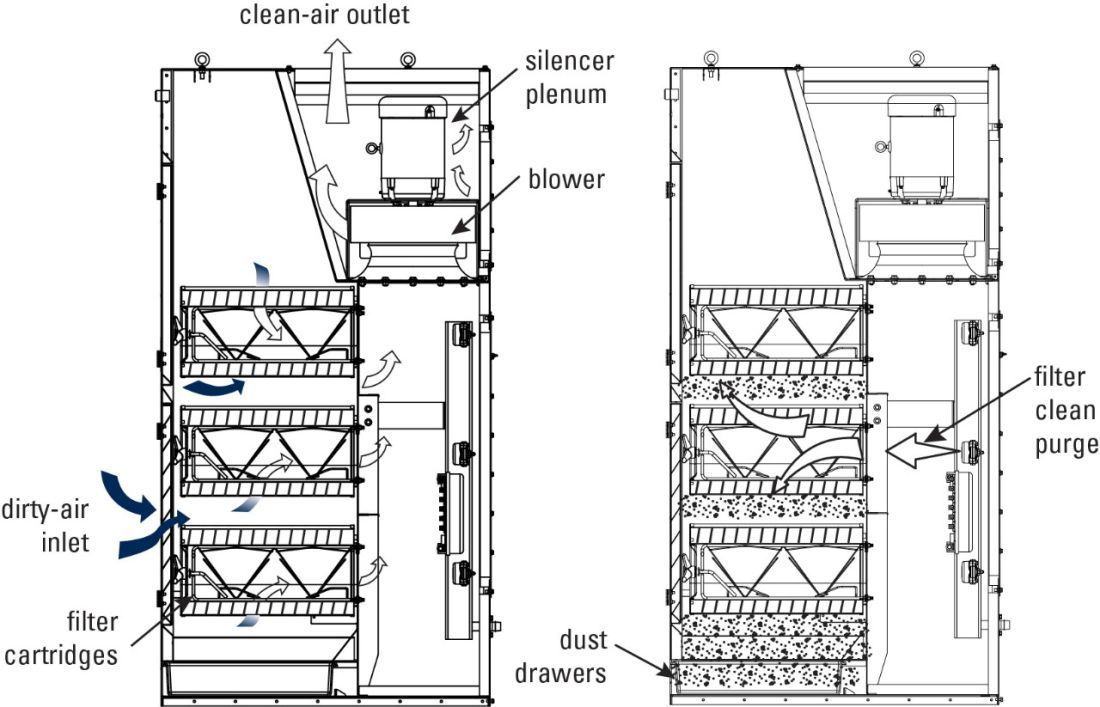
Overloaded systems and blind filters are common problems. This occurs when the dust collector cannot handle the dust load, leading to filter failure and reduced airflow. Check the dust collector hopper for buildup and ensure proper venting. Check the hopper seals and around the discharge point for leaks, as these can introduce dust into the system.
Readings and Sounds
Accurate pressure gauge readings are crucial for assessing system performance. Check hoses for damage or leaks. Listen for any unusual pulsations in the dust collector's sound, which may indicate a problem with the cleaning system or filter condition.
System Integrity Check
A complete filtration system and professionally installed ducting are essential for efficient dust collection. Check the dust collector, ducting system, and hoods for leaks or damage. Ensure all connections are secure and well-sealed.
System Documentation and Inspection
Detailed system documentation is invaluable for troubleshooting and future reference. Create a system sketch, including dimensions and equipment layout. If necessary, use an overhead lift to access hard-to-reach areas for inspection and measurement.
Speed, Pressure, and System Assessment
Measuring speed and pressure helps assess airflow distribution within the system. While direct balancing of the system is appealing, identifying and addressing the root causes of problems is a better path to improving long-term equipment performance.
Post-Access Analysis
Analyzing collected data, including airflow requirements, static pressure, and dust collector dimensions, is crucial for determining necessary corrective actions. This analysis helps optimize system performance and prevent future issues.
Speaking of analyzing performance data, Changying has listened to its customers and developed cloud-based real-time performance data for dust collectors and filtration equipment. Changying's connected solutions and services help reduce operating costs, enhance your ability to generate compliance reports, and support equipment management, while providing all recommendations via a notebook. Performance insights can be accessed in real-time through dashboard formats. Ask your Changying representative about our connected solutions.
By performing these steps, you can help troubleshoot industrial dust collectors, minimizing downtime and improving overall system performance. This approach emphasizes identifying and addressing the root cause, rather than simply treating the symptoms, which helps ensure the long-term reliability and efficiency of the system.Industrial dust collectors are crucial for supporting the safe and efficient operation of numerous industries, including manufacturing, mining, food processing, and metalworking. However, troubleshooting dust collectors often presents significant challenges because most engineering, operations, and maintenance staff do not manage them daily.
Finding the root cause of performance problems can be both time-consuming and disruptive. Implementing a systematic troubleshooting approach is essential for effectively diagnosing problems, minimizing downtime, and ensuring excellent dust collector performance. By following a structured approach, companies can improve overall productivity and output while protecting employee health and safety. Below is an advanced approach to troubleshooting dust collector problems.
Preparation
Gathering comprehensive system information is often crucial before visiting the site or the dust collector in the field. This includes obtaining detailed drawings, specifications, and operational history. This groundwork lays a solid foundation for the troubleshooting process.
Initial Steps
The next critical step is to conduct a thorough site inspection. This includes a visual inspection of the entire system, including the dust collector, piping system, and fans. Gathering system history, such as maintenance records and previous issues, can provide valuable insights. Collecting dust samples helps determine the type and quantity of dust being processed, which is crucial for understanding system performance and potential problems.
Fans and Components
Evaluating the fans is essential. Check for signs of wear, imbalance, or movement issues. Assess inlet and outlet conditions for blockages or restrictions. Check that the fan dampers are functioning properly and sealing correctly.
System Overload and Blind Filters
Overloaded systems and blind filters are common problems. This occurs when the dust collector cannot handle the dust load, leading to filter failure and reduced airflow. Check the dust collector hopper for buildup and ensure proper venting. Check the hopper seals and around the discharge point for leaks, as these can introduce dust into the system.
Readings and Sounds
Accurate pressure gauge readings are crucial for assessing system performance. Check hoses for damage or leaks. Listen for any unusual pulsations in the dust collector's sound, which may indicate a problem with the cleaning system or filter condition.
System Integrity Check
A complete filtration system and professionally installed ducting are essential for efficient dust collection. Check the dust collector, ducting system, and hoods for leaks or damage. Ensure all connections are secure and well-sealed.
System Documentation and Inspection
Detailed system documentation is invaluable for troubleshooting and future reference. Create a system sketch, including dimensions and equipment layout. If necessary, use an overhead lift to access hard-to-reach areas for inspection and measurement.
Speed, Pressure, and System Assessment
Measuring speed and pressure helps assess airflow distribution within the system. While direct balancing of the system is appealing, identifying and addressing the root causes of problems is a better path to improving long-term equipment performance.
Post-Access Analysis
Analyzing collected data, including airflow requirements, static pressure, and dust collector dimensions, is crucial for determining necessary corrective actions. This analysis helps optimize system performance and prevent future issues.
Speaking of analyzing performance data, Changying has listened to its customers and developed cloud-based real-time performance data for dust collectors and filtration equipment. Changying's connected solutions and services help reduce operating costs, enhance your ability to generate compliance reports, and support equipment management, while providing all recommendations via a notebook. Performance insights can be accessed in real-time through dashboard formats. Ask your Changying representative about our connected solutions.
By performing these steps, you can help troubleshoot industrial dust collectors, minimizing downtime and improving overall system performance. This approach emphasizes identifying and addressing the root cause, rather than simply treating the symptoms, which helps ensure the long-term reliability and efficiency of the system.





 English
 daniel@jrcytech.com

 86 13127365597